If you are really into wine, the anticipation of the exquisite array of flavors dancing on your palate can be intoxicating. The thoughts start in the afternoon at work and the drive home is endless. The other drivers are all idiots because they are constantly in your way, creating yet another barrier to that first glass of wine. What should take 30 minutes seems to take twice as long. You arrive home, pour your nectar, take that first sip and…what the hell? Who put pulp in my wine? Orange juice is supposed to have pulp. Wine isn’t.
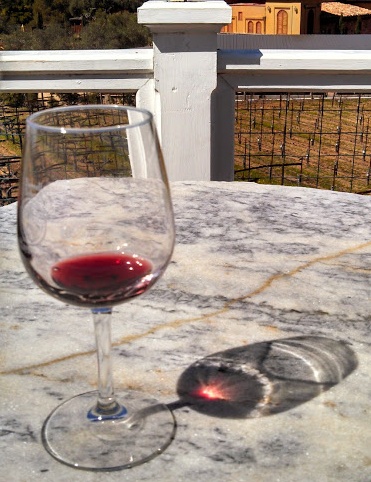
Serving Wine Part 2 – No Tuxedo or Snotty Attitude Required But You Do Need the Right Type of Wine Glass
Serving Wine Part 1 – Introduction…AKA…Buying Good Wine Is Pointless If It Is Not Served Correctly
Cross Referencing European to U.S. Wines
Why do U.S. wine labels show the wine grape type on the label, but European wines frequently show the region on the wine bottle label? Have you had any good Bordeaux wines from the U.S.? I seriously doubt it. How about a Burgundy from California? Probably not…no way. Why not? There’s a couple of reasons but to avoid pissing off the lawyers, let’s get the legal one out of the way first.
Reading Wine Labels (Part 2): What Can Clever Marketers Put On Labels to Mislead You?
Why did we split “Reading Wine Labels” into two posts? Two reasons, one is practical – I hate writing novel length posts, and I suspect the audience likes reading them even less. The other has to do with content. Part 1 identifies virtually everything that is required to be on a wine label, or if present, needs to adhere to predefined guidelines. Part 2 of “Reading Wine Labels” gets a little fuzzier. Admittedly, there are a number of terms below that require some sort of regulatory approval or generally conform to generally accepted standards but the rest …well…we’ll get to those terms in a minute. The key to reading wine labels is knowing which terms are really relevant and which ones are fluff designed to entice and/or mislead.


